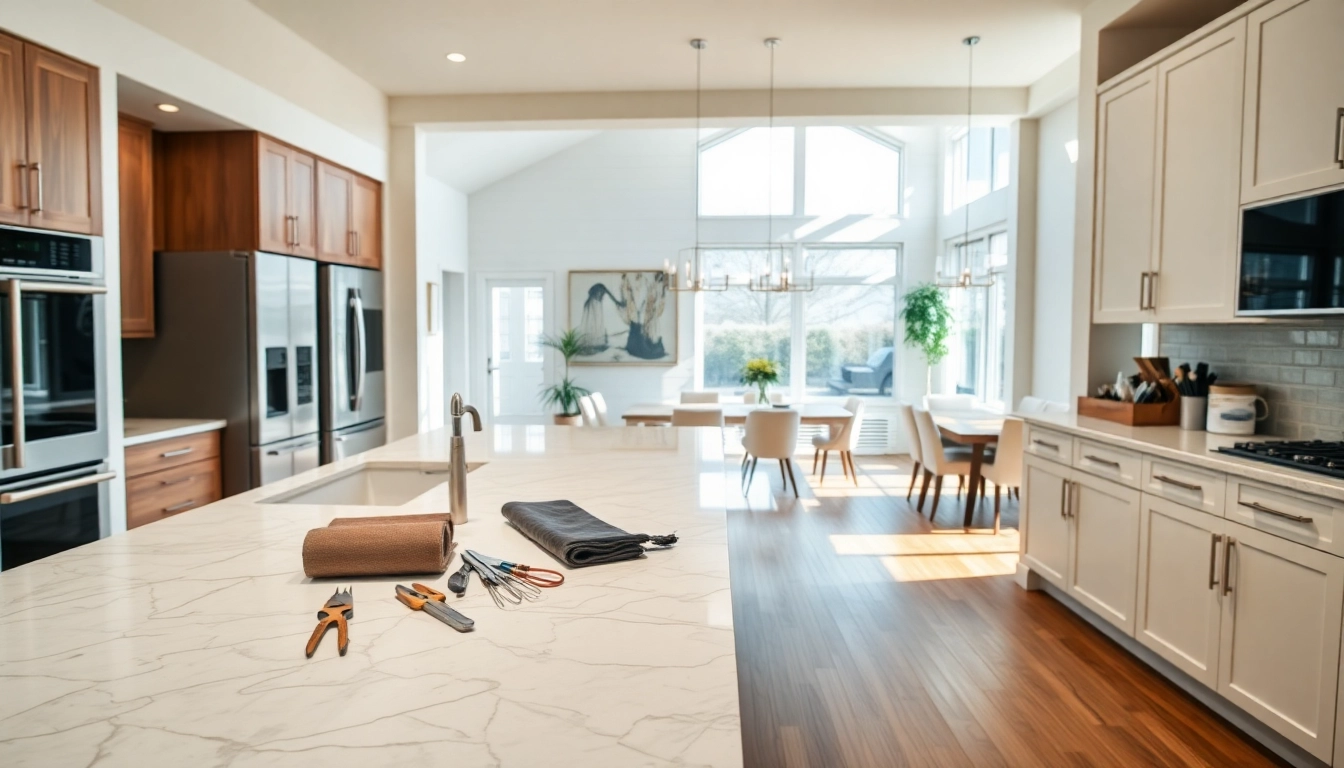
Understanding the Basics of Renovation
What Does Renovation Entail?
Renovation is the process of improving or upgrading an existing structure, focusing on its functionality, aesthetics, and energy efficiency. Unlike new constructions, which involve building from the ground up, renovations work with what is already in place. The scope of renovation can range from minor updates, like painting, to major overhauls, including structural changes. It often involves several skilled tradespeople, such as carpenters, electricians, and plumbers, to ensure that all aspects of the home are properly addressed and upgraded, creating a seamless blend of modern conveniences within existing frameworks. For those looking to transform their home, understanding the renovation process is essential to achieve satisfactory results.
Common Types of Renovation Projects
Renovation projects can be categorized into several types, depending on the goals of the homeowner. Some of the most common include:
- Kitchen Renovation: Often viewed as the heart of the home, kitchen renovations can greatly enhance functionality and aesthetics, including upgrading appliances, countertops, and cabinetry.
- Bathroom Renovation: These projects focus on upgrading fixtures, improving water efficiency, and enhancing the overall comfort and style of the space.
- Home Addition: This involves adding more space to the home, such as a new bedroom or extension, catering to growing families or needs.
- Basement Finishing: Transforming an unused basement into a livable space can increase both the utility and value of a home.
- Exterior Renovation: These projects can enhance curb appeal through updating siding, windows, and landscaping.
Why Renovate? Benefits of Home Improvement
The decision to renovate often stems from various motivations, each with its unique set of benefits:
- Enhanced Home Value: Renovations can significantly upgrade property value, making homes more appealing to future buyers.
- Increased Energy Efficiency: Updating older systems (like HVAC) and improving insulation can lead to lower energy bills and a smaller carbon footprint.
- Improved Functionality: Renovation allows homeowners to reconfigure spaces, creating better flow and usability based on their lifestyles.
- Personalization: Renovating provides an opportunity to implement personal style, ensuring that every room reflects the homeowner's preferences.
- Addressing Maintenance Issues: Older homes may have hidden problems, like outdated plumbing or electrical systems, that renovation can resolve, restoring safety and comfort.
Planning Your Renovation: Key Steps
Setting a Realistic Budget for Renovation
Establishing a sound budget is crucial for any successful renovation project. Begin by assessing the cost of materials, labor, permits, and any unforeseen expenses. A good rule of thumb is to add an additional 10% to 20% of your total budget for unexpected costs. Research previous projects and gather quotes from contractors to get a more accurate estimate. Furthermore, prioritize which areas need immediate attention and where you can afford to spend less, ensuring you allocate funds effectively and avoid financial strain.
Choosing the Right Timeline for Your Project
Time management is critical in renovation. Establish a realistic timeline by considering project scope, availability of materials, and contractor schedules. Discuss timelines with professionals to gain insight into how long various tasks might take. Start with a rough estimate, but remain flexible; delays can occur due to unexpected challenges. Setting milestones throughout the project can help keep things on track and ensure that everyone involved works towards a common goal.
Finding and Hiring the Right Professionals
Selecting the right contractors and professionals can greatly affect the outcome of your renovation. It's vital to conduct thorough research by checking references, reviewing portfolios, and obtaining multiple quotes. Look for professionals who communicate well and have relevant experience in the type of project you’re planning. Additionally, ensure that they are licensed and insured to protect yourself from liabilities during the renovation process. A good match will ensure a smoother operation and better quality results.
Design Concepts and Trends in Renovation
Popular Design Styles for Renovation
The aesthetic of a renovated space plays a significant role in its appeal. Several design styles have gained popularity, including:
- Modern: Characterized by clean lines and minimalism, modern designs often incorporate open floor plans and lots of natural light.
- Rustic: This style leverages natural materials, like wood and stone, creating a warm, inviting atmosphere that often invokes a feeling of the countryside.
- Industrial: Featuring raw finishes, such as exposed bricks and beams, this style brings an urban edge to home design.
- Contemporary: Often confused with modern, contemporary design reflects current trends and incorporates elements from various styles.
- Traditional: This style offers classic, timeless elements, featuring rich woods, intricate architectural details, and elegant designs.
Incorporating Energy Efficiency into Your Renovation
In today’s eco-conscious world, energy efficiency should be at the forefront of any renovation project. This can include installing energy-efficient appliances, improving insulation, and utilizing sustainable materials. Consider incorporating smart home systems that adjust energy use based on your habits, as well as installing solar panels which can provide significant long-term savings. Not only do these choices reduce energy consumption, but they also enhance the comfort and aesthetic of the home.
Color Palettes That Enhance Your Renovation
The right color palette can dramatically transform a space. Neutral colors are popular for their versatility and ability to make spaces feel larger and brighter. On the other hand, bold colors can create striking focal points or evoke specific moods. When choosing colors, consider both the natural light in the space and how colors interact with furnishings. Experiment with different shades and combinations through samples, ensuring the chosen palette resonates with the overall renovation theme.
Navigating Challenges During Renovation
Common Renovation Pitfalls and How to Avoid Them
Every renovation project comes with its challenges. Many homeowners face budget overruns, unexpected structural issues, or delays in materials availability. To avoid these pitfalls, set a comprehensive plan, maintain transparent communication with your professionals, and allow for flexibility in your timeline and budget. Regular site visits can keep you informed about progress and potential challenges, allowing for prompt solutions to emerging issues.
Dealing with Unexpected Issues
Unexpected issues during renovation can cause significant stress. Common surprises include discovering mold, outdated wiring, or structural flaws. When such situations arise, it’s best to consult with professionals to assess the problem thoroughly. Having a contingency plan that includes budget allocations for unforeseen issues can alleviate financial strain while ensuring that the project continues smoothly. Approach issues as learning opportunities rather than setbacks, maintaining a positive outlook.
Staying On Track: Managing Renovation Stress
Managing a renovation can be overwhelming, but stress can be mitigated through effective planning and communication. Establish clear expectations and regular check-ins with your contractors to alleviate concerns. Consider creating a separate, temporary space in your home while renovations are ongoing to maintain a sense of normalcy. Additionally, incorporating breaks in the project timeline for self-care can help sustain your mental and emotional well-being during the renovation process.
Post-Renovation: Ensuring Success
Final Inspection: Key Aspects to Check
After completing a renovation, conducting a thorough final inspection is crucial. Check for the quality of finishes, proper installations, and any overlooked details. Ensure systems such as plumbing, electrical, and HVAC are fully functional. Spending time examining the work closely can prevent future issues, safeguard your investment, and provide peace of mind that the renovation meets your expectations.
Adapting to Your Newly Renovated Space
Transitioning into a renovated space can be both exciting and challenging. Take time to familiarize yourself with the new layout, identifying how it best suits your lifestyle. Share the updated features with family or housemates, encouraging everyone to adapt to the changes. Incorporate your style by updating furnishings and decor to ensure a seamless transition. This adjustment period allows for a fresh perspective and full enjoyment of your newly renovated environment.
Long-Term Care and Maintenance of Renovated Areas
Once your renovation is complete, ongoing maintenance is crucial to preserving your investment. Regularly check for signs of wear and tear, perform necessary repairs, and follow the care instructions for newly installed fixtures or materials. Keep records of warranties and manuals for future reference. Establishing a maintenance schedule will ensure your renovation remains in excellent condition and continues to meet your needs for years to come.
Frequently Asked Questions
What is the average cost of renovation?
The average cost can vary widely based on the project scope, ranging from a few thousand to several hundred thousand dollars. It's essential to set a realistic budget before starting.
How long does a typical renovation project take?
The timeline for renovation projects differs, but minor renovations could take weeks, while major overhauls might span several months. Factors such as project size dictate duration.
Do I need permits for my renovation?
Most renovations that modify the structure, plumbing, or electrical systems typically require permits. Check local regulations to ensure compliance before starting any work.
Can I live in my home during renovations?
Depending on the project's scale, you can often remain in your home with some adjustments. However, significant work may temporarily require relocation.
How can I finance my renovation?
Options for financing a renovation include home equity loans, personal loans, or government grants for energy-efficient upgrades. Research to find the best option for your needs.