Understanding Common Toilet Problems
Identifying Signs of Toilet Issues
Toilets, while often neglected until a problem arises, can present various issues that homeowners should be vigilant about. Identifying the signs of trouble early can save time and money in toilet repair. Common indications include persistent running water, unusual noises, or leaks around the base. Additionally, slow drainage or a toilet that frequently clogs may indicate underlying issues that require attention. Recognizing these symptoms can lead to timely interventions and prevent more serious conditions from developing.
Common Causes of Toilet Malfunctions
Understanding what triggers toilet malfunctions is crucial for effective troubleshooting. One of the primary causes is a faulty flapper, which can lead to constant running water. Another frequent issue is a worn-out fill valve, which can prevent the tank from filling to the proper level. Clogs, often caused by foreign objects or excessive toilet paper, are also common. Lastly, a cracked toilet tank or bowl can lead to significant leaks, affecting the efficiency of the toilet and possibly leading to water damage.
Safety Precautions Before Repairing
Before delving into repairs, it's vital to observe some safety precautions. Always turn off the water supply to the toilet to prevent flooding. Wearing gloves is advised to protect against germs that may reside in the toilet. Utilizing protective eyewear can be beneficial, especially when using tools that might cause debris to fly. Familiarizing oneself with the toilet's components will help to execute repairs with confidence and reduce the risk of injury. Following these simple guidelines can ensure a safe and effective repair process.
Tools Required for Toilet Repair
Essential Plumbing Tools to Have
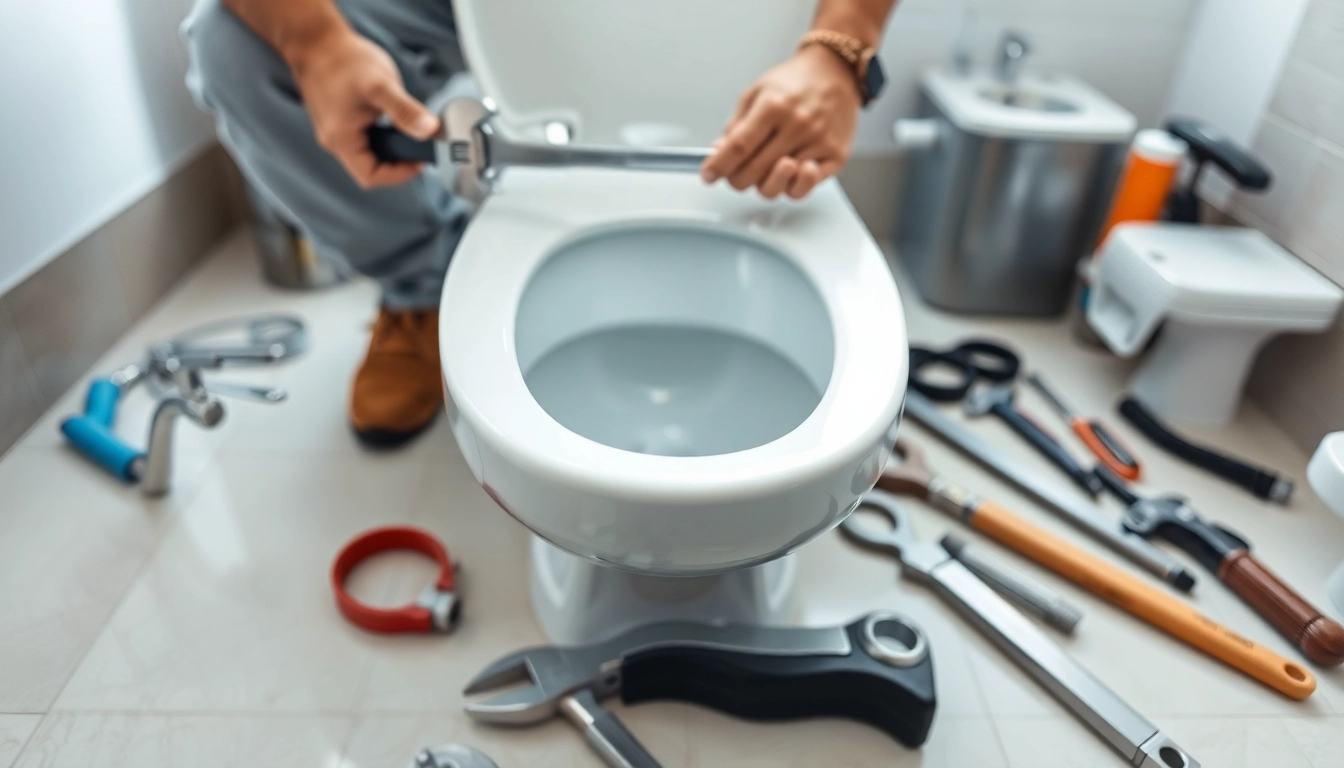
A well-equipped toolbox is vital for effective toilet repairs. Essential tools include a plunger, which is crucial for clearing clogs, and a toilet auger for more stubborn blockages. A wrench is necessary for tightening or loosening hardware, and a utility knife can help with cutting old wax seals. Aside from these, a screwdriver set is important for removing tank lids and other essential components. Having these tools handy will facilitate quick and efficient repairs, minimizing the time spent addressing issues.
Specialty Tools for Specific Repairs
In addition to the basic tools, certain specialty tools can assist in more complex repairs. A wax ring is essential when replacing a toilet, ensuring a leak-free seal. A fill valve wrench can ease the installation or replacement of fill valves, while a tank lever can help with flushing mechanisms. Using the right tool for the job not only simplifies the repair process but also enhances the quality of the work performed, ensuring lasting results.
Where to Purchase or Rent Tools
Tools can be easily acquired from local hardware stores or home improvement centers. For rare or expensive items, consider renting from tool rental outlets, which typically offer a wide range of plumbing supplies. Online retailers also provide a convenient option, often at competitive prices. Make sure to read reviews and compare prices to ensure you are obtaining quality tools for your repairs. Remember, investing in good tools can pay off in the long run by making repairs easier and more successful.
Step-by-Step Toilet Repair Guide
Fixing a Running Toilet
Addressing a running toilet typically starts with an inspection of the flapper chain and flush valve. Begin by removing the tank lid and inspecting the chain for tangles or excessive slack. If the flapper isn’t sealing properly, it may need cleaning or replacement. Turn off the water supply, flush the toilet to empty the tank, and replace the flapper if needed. Afterward, adjust the water level in the tank to the recommended height. Completion of these steps can eliminate the running water issue without the need for professional assistance.
How to Replace a Toilet Flapper
Replacing a toilet flapper is a straightforward task you can complete in minutes. First, turn off the water supply and flush the toilet to empty the tank. Remove the old flapper by unhooking it from the flush lever and detaching it from the overflow tube. Take the old flapper to a hardware store to ensure you buy an exact replacement. Install the new flapper by reversing the removal process, making sure it sits properly on the valve seat. Once in place, turn the water supply back on and test the flush for effective operation.
Addressing Clogged Toilets Effectively
Toilet clogs can be annoying but can often be resolved without a plumber. Start by using a plunger, ensuring a firm seal, and using vigorous strokes to create suction. For tougher clogs, a toilet auger may be necessary. Insert the auger into the toilet bowl, pushing it through the trap until resistance is felt. Rotate the handle to break up the blockage. After successfully clearing the clog, flush the toilet to ensure everything is flowing smoothly. Persistent issues may require inspection of the sewer line or a call to a professional for assistance.
Maintenance Tips for Long-lasting Toilets
Regular Inspection Routines
Implementing regular inspection routines can significantly extend the life of your toilet. Inspect the toilet for any signs of leaks or cracks monthly. Check the flapper, fill valve, and shut-off valve for wear and tear. Additionally, examining the toilet’s base for moisture can prevent water damage to the surrounding area. Routine checks can identify potential issues before they exacerbate, providing an opportunity for preventative maintenance.
Employing Preventative Measures
Preventative measures can drastically reduce the need for repairs. Avoid flushing anything other than human waste and toilet paper. Consider using a toilet tank bank or water displacement device to save water without compromising performance. Additionally, using enzymatic cleaners can help keep the plumbing system clear without harmful chemicals. Finally, teach family members about proper toilet usage to prevent clogs and other issues.
Identifying When to Call a Professional
Knowing when to call a professional is critical for preventing escalation of plumbing issues. If you’ve followed troubleshooting steps without success, or if you encounter a persistent clog or leak, it might be time for expert intervention. Unusual noises, foul odors, or structural damage around the toilet or in connected plumbing may also necessitate professional services. Regular maintenance can minimize these emergencies, but knowing when to reach out for help can save you time and costly repairs.
FAQs About Toilet Repair
What are signs I need toilet repair?
Signs you need toilet repair include frequent clogs, running water, leaks at the base, or slow drainage. Addressing these symptoms early can prevent major issues.
How can I prevent toilet issues?
Prevent issues by avoiding flushing inappropriate items, conducting regular inspections, and ensuring use of effective cleaning methods that won’t damage plumbing.
Is it possible to repair toilets myself?
Many toilet repairs can be done by homeowners with basic tools and guidance. Simple repairs like flapper replacement or unclogging can often be manageable.
When should I replace my toilet?
Consider replacing your toilet if it is frequently malfunctioning, has cracks, or is over 25 years old. New models also offer water-saving benefits.
How do I choose a plumber for toilet repair?
Choose a plumber by checking reviews, seeking recommendations, and confirming licensing and insurance. Ensure they have experience with toilet repairs specifically.