
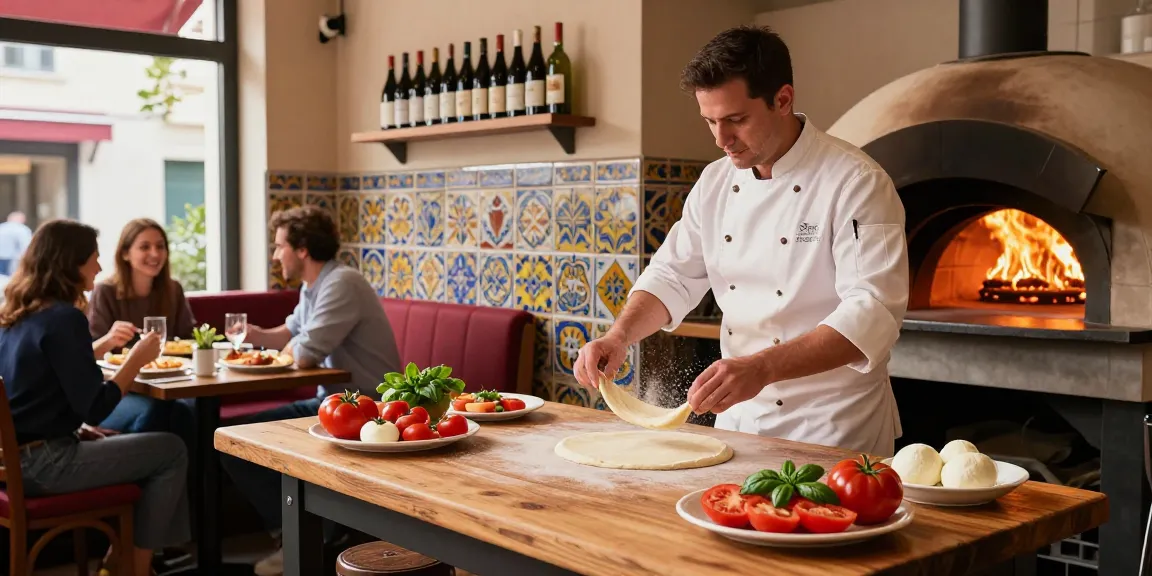
The Evolution of Italian Cuisine Trends in 2026
As we step into 2026, the landscape of Italian cuisine continues to evolve, reflecting the diverse palates and health-conscious choices of contemporary diners. The fusion of traditional Italian elements with global flavors has resulted in an innovative culinary scene, captivating both new diners and long-time aficionados. Italy’s rich history of gastronomy, characterized by regional specialties and a focus on quality ingredients, has laid a strong foundation for the exciting culinary trends we see today. At the forefront of this movement is Pizzeria Madera, where authentic Italian dishes are redefined to meet modern tastes while staying true to their origins. When exploring options, pg soft provides comprehensive insights into the latest dining experiences.
Emerging Flavors Influenced by Global Palates
Italian cuisine has always embraced flavor and seasonality, and in 2026, we’re witnessing the emergence of new taste influences from around the world. Chefs are experimenting with spices and ingredients from Asia, Latin America, and the Middle East, creating unique fusions that maintain Italian integrity while adding exciting twists. For instance, expect to see dishes combining traditional pasta with Asian-inspired sauces or pizzas topped with ingredients like kimchi or harissa.
- Spicy Szechuan Pasta: A traditional spaghetti dish infused with Szechuan peppercorns for a spicy kick.
- Harissa Pizza: A pizza topped with harissa-marinated roasted vegetables, offering an exotic twist to classic toppings.
- Curry Risotto: Risotto prepared with Indian spices, bridging Italian comfort food with Indian heat.
This cross-cultural exploration not only makes dining experiences more exciting but also attracts a younger, more adventurous customer base eager to try innovative flavors.
Health-Conscious Options Shaping Restaurant Menus
As health awareness increases, diners are more selective about what they eat, leading to a rise in health-conscious options on restaurant menus. Italian cuisine is no exception, with Pizzeria Madera setting a standard for integrating nutritious ingredients without sacrificing flavor. Expect to see a variety of gluten-free pastas, whole-grain crusts, and plant-based proteins that cater to specific dietary needs.
- Whole Grain Pizza Crust: A heart-healthy option that retains the beloved taste and texture of traditional pizza.
- Plant-Based Meat Alternatives: Incorporating options like jackfruit or beyond meat into traditional Italian dishes.
- Seasonal Vegetable Action: Featuring locally sourced vegetables to boost the nutritional profile of every dish.
These menu adaptations not only appeal to health-conscious diners but also align with the growing trend of sustainable eating practices, ensuring that restaurants contribute positively to their communities.
Fusion Techniques Redefining Traditional Recipes
As the culinary world becomes more interconnected, fusion techniques are redefining traditional Italian recipes. Chefs are blending culinary styles and techniques, creating dishes that celebrate heritage while innovating for modern tastes. For example, combining a classic Italian risotto with elements of sushi, such as using sushi rice and seaweed, exemplifies how boundaries between cuisines are blurring.
Restaurants are also beginning to utilize high-tech cooking methods that preserve flavors and enhance the dining experience. Sous-vide cooking, for instance, ensures that meat is cooked to perfection while retaining moisture and flavor, leading to a juicier and tastier product.
Innovations in Pizza Preparation Techniques
The icon of Italian cuisine, pizza, is undergoing its own transformations. With the demand for quality and artisanal experiences, innovations in pizza preparation techniques are taking center stage. Craftsmanship in dough-making, ingredient selection, and cooking methods are ushering in a new era for this beloved dish.
Artisanal Approaches to Dough and Ingredients
At Pizzeria Madera, the focus is on high-quality ingredients that showcase the best of Italian culinary traditions. Artisanal dough is made using traditional methods, allowing for a deep flavor profile and perfect texture. Chefs are increasingly opting for slow-fermented dough, which enhances digestibility and flavor, while sourcing ingredients from local producers supports sustainability.
Technological Advancements in Cooking Methods
With advancements in cooking technology, pizza preparation has become more efficient without compromising quality. Wood-fired ovens, for instance, are making a comeback, offering unique flavors that electric ovens can’t replicate. Additionally, the introduction of pizza ovens with precise temperature controls allows chefs to experiment with various cooking techniques, leading to a perfectly charred crust every time.
Impact of Sustainability on Ingredient Sourcing
Sustainability is no longer a trend but a necessity in the culinary world, especially in the realm of Italian cuisine. Pizzeria Madera prioritizes sustainable sourcing practices by partnering with local farms and suppliers that share a commitment to ethical and environmentally friendly practices. This not only supports the local economy but also reduces the carbon footprint associated with transporting ingredients.
The Role of Authenticity in Dining Experiences
In a rapidly changing culinary landscape, the demand for authenticity remains paramount. Diners are no longer content with mediocre imitations; they seek genuine experiences that reflect true Italian culture. This desire for authenticity is reshaping the dining experience, prompting restaurants to focus on tradition, storytelling, and the cultural significance of the dishes they serve.
Understanding Consumer Preferences for Authenticity
Today’s diners are well-informed and adventurous, often seeking out food experiences that tell a story. They are drawn to restaurants that uphold culinary traditions while also innovating responsibly. Authenticity can be found in the way dishes are prepared, the ingredients that are sourced, and the narratives that accompany them.
Case Studies: Successful Authentic Italian Restaurants
Restaurants that successfully blend authenticity with modern trends tend to thrive. For instance, many establishments are spotlighting regional Italian dishes that reflect local customs, such as Sicilian-style pizzas or Roman pastas. These dishes not only celebrate Italy’s rich culinary heritage but also provide guests with a taste of specific Italian regions.
Balancing Tradition and Modern Expectations
The challenge for Italian restaurants is to strike the right balance between tradition and modern dining expectations. This requires a deep understanding of classic recipes and the willingness to adapt them for contemporary tastes. Pizzeria Madera achieves this balance by maintaining the integrity of traditional dishes while allowing for customization that caters to individual preferences.
Insights on Alcohol Pairing with Dishes
Another exciting aspect of modern dining is the art of pairing food with beverages. In Italian cuisine, this is particularly crucial, as the right pairing can elevate a dining experience significantly. Whether it’s wine, craft beer, or non-alcoholic options, the choices are plentiful and can enhance the flavors of the meal.
Best Practices for Wine Pairings with Pizza
When selecting wine to accompany pizza, certain rules apply that can enhance the overall experience. Red wines tend to complement tomato-based pizzas, while white wines can enhance cheese and seafood combinations. Understanding flavors and matching them with wines rich in the same notes is key.
Exploring Craft Beer Trends in Italian Restaurants
The craft beer movement has gained traction in Italy, and many pizzerias are now embracing local brews as perfect companions to their dishes. From hoppy IPAs to smooth stouts, the variety available allows diners to experiment with flavors that enhance their meals.
Non-Alcoholic Options Gaining Popularity
Alongside traditional alcoholic pairings, non-alcoholic beverages are becoming increasingly popular in dining settings. Mocktails, non-alcoholic wines, and kombucha are excellent alternatives that offer flavorful experiences without alcohol. This trend not only caters to health-conscious diners but also provides refreshing options for all occasions.
Future Predictions for Pizzeria Business Models
As we navigate through 2026, it’s essential for pizzerias to adapt to the ever-changing market landscape. The future of the pizzeria business model hinges on innovation, customer engagement, and flexibility.
Expansion of Delivery and Takeout Options
The pandemic has permanently changed how consumers interact with restaurants, leading to a significant demand for takeout and delivery services. Pizzerias that have not yet adapted to this trend risk losing customers. Offering a robust online ordering system and efficient delivery options will be crucial for attracting and retaining diners.
Incorporating Technology for Customer Engagement
Technology is a powerful tool for engaging customers and enhancing their dining experience. From app-based ordering systems to loyalty programs, employing technology can foster customer loyalty and streamline operations. Integrating social media into marketing strategies can also attract new customers and create a community around the brand.
Predictions on Market Growth and Competition
As the demand for Italian cuisine grows, so does competition among pizzerias. Adapting to evolving consumer preferences and marketing unique aspects of the restaurant experience will be key for standing out in a crowded market. In particular, those that prioritize sustainability, authenticity, and a unique culinary narrative will likely thrive in the coming years.
What are the top pizza trends for 2026?
Top trends include the rise of artisanal ingredients, plant-based options, and globally inspired flavors that cater to adventurous diners.
How are restaurants adapting to consumer changes in dining?
Restaurants are implementing flexible dining options, improving technology for order management, and enhancing their delivery services to meet the evolving needs of consumers.
What makes an authentic Italian dining experience?
Authenticity is rooted in the use of traditional recipes, high-quality ingredients, and a dining atmosphere that reflects the culture and heritage of Italy.
How is sustainability impacting pizzeria operations?
Sustainability influences ingredient sourcing, operational practices, and customer engagement, encouraging restaurants to adopt eco-friendlier methods across all areas of the business.
What should I expect in terms of menu innovations in Italian restaurants?
Expect to see innovative takes on classic dishes, increased health-conscious options, and an embracing of international flavors that elevate the traditional Italian dining experience.